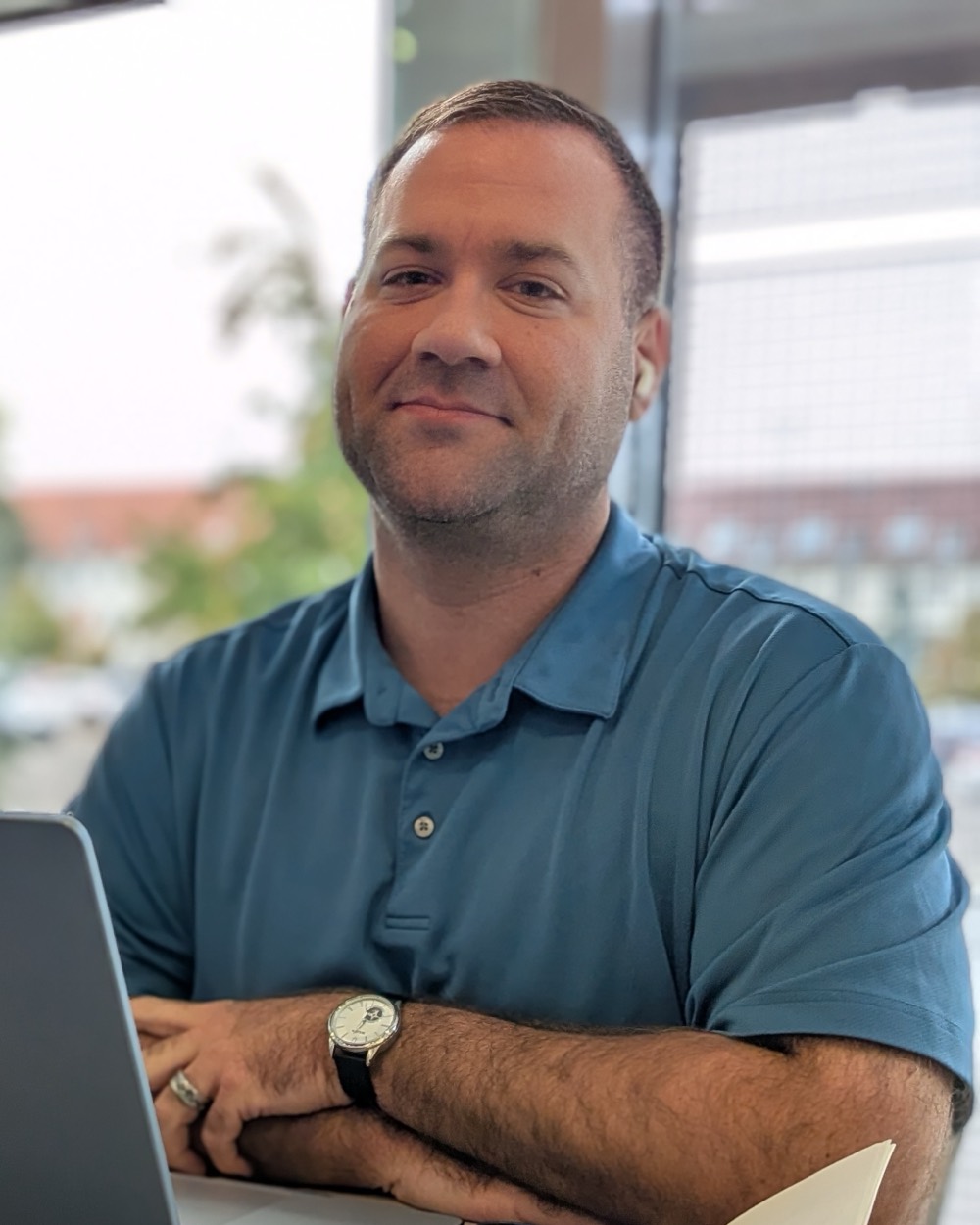
About Cory Shelton
I'm Cory Shelton, founder of Quality Brands Direct. I've spent more than 15 years in manufacturing, procurement and small business operations.
From the warehouse floor to factory operations
When I was 16, I got my start in a small business doing the unglamorous work: taking out the trash, sweeping floors, and packing shipping boxes. Over the years, I finished high school, put myself through college, and worked my way up through sales, bookkeeping, and operational management.
Later, I spent six years in financial advising, helping individuals budget and manage their money. When I returned to small business operations, the connection was crystal clear: personal habits with money directly drive how business owners handle inventory, cash flow, and purchasing.
I know firsthand that the cash in your business account wasn't handed to you. It was earned through blood, sweat, and tears. My goal is to make sure that money is protected and put to work in the best possible way.
Getting the margins you deserve
Small orders often come with great margins, but low volume. Giant production runs give you volume, but can choke your margins or tie up all your working capital.
The sweet spot happens when you have a healthy cash surplus and invest it into high-volume production with the right direct factory. That is how you get the margins your business actually deserves. My job is to take the guesswork and risk out of that process, using proven factory relationships and repeatable systems so your inventory runs like clockwork.
Not just forwarding emails
A lot of sourcing agents just take a photo from a client, forward it to an overseas factory, and hope for the best. That is how products show up with the wrong plastic grade, peeling finishes, or blown budgets.
I don't operate that way. When you send me a photo or a product idea:
- I break down the raw materials first. I look at the physical specifications, whether that involves TPU films, PET sheet thicknesses, synthetic papers, or custom molds.
- I evaluate material pricing. Knowing raw material costs lets me spot what parts of a product should be expensive and where costs can be trimmed safely.
- We define the quality-to-price ratio together. We figure out the exact balance you and your customers want before asking for quotes or cutting samples from up to three vendors.
Clear communication when real-world problems happen
If you've sourced overseas before, you know the frustration: initial samples look great, but over time prices quietly rise, quality slips, and shipping updates go dark. If you've never sourced overseas, the entire process can feel overwhelming.
I build systems to prevent those issues from day one. But global manufacturing is messy. Ports back up, factory schedules shift, and unexpected delays happen.
My rule for handling challenges is simple:
- Built-in buffers. We factor 2 to 3 weeks of buffer time into production and shipping schedules before handing over a single dollar. If a factory runs late or a port slows down, your business isn't caught flat-footed.
- Fast, honest updates. When something shifts, you hear it from me immediately.
- A partner in your corner. You never have to feel stuck between an overseas vendor and your own customers. We look at the options together, make an educated decision, and keep your production on track.
Why I keep my client roster small
Most agencies try to sign as many accounts as possible, pass the work off to junior staff, and churn through clients.
I do the opposite. I intentionally bring on only one or two new clients a year, and I keep my active roster capped at around 10 businesses total.
This work is my passion. If I took on too many accounts, the personal attention would slip, and I wouldn't be providing the standard of service I hold myself to. By staying intentionally small, I can personally watch over your orders, protect your capital, and save you from stressful, anxiety-ridden nights wondering where your inventory is. You get a reliable partner who cares about your business succeeding as much as you do.